
2018 honda crv manual
This manual‚ published by Honda in its 4th edition (January 1‚ 2018‚ ISBN 978-2990498425)‚ provides essential guidance for owners of the 2018 CR-V‚ ensuring optimal vehicle operation.
Overview of the 2018 CR-V
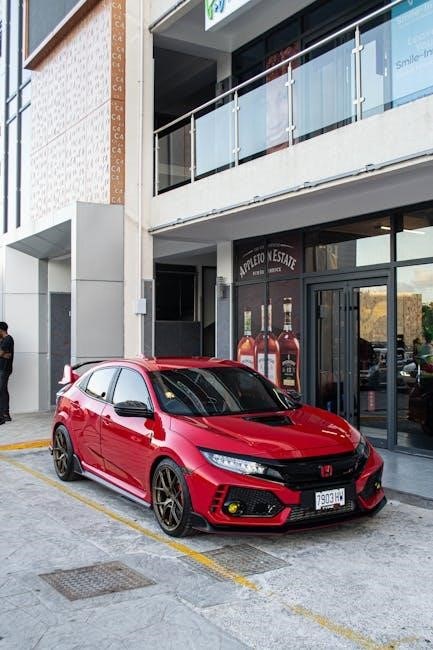
The 2018 Honda CR-V represents a significant iteration in Honda’s popular compact SUV lineup. Known for its reliability‚ spacious interior‚ and fuel efficiency‚ the CR-V caters to a broad range of drivers. This model year introduced enhancements to both styling and technology‚ solidifying its position as a leader in its class.
Owners will appreciate the CR-V’s versatile cargo space and comfortable seating. Understanding the vehicle’s features and capabilities is crucial for maximizing the driving experience. This is where the owner’s manual becomes invaluable‚ offering detailed insights into every aspect of the 2018 CR-V‚ from basic operation to advanced systems.
Importance of the Owner’s Manual
The 2018 Honda CR-V owner’s manual is a critical resource for all drivers. It’s not merely a collection of pages‚ but a comprehensive guide to understanding your vehicle’s operation and maintenance. Properly utilizing this manual ensures safe and efficient driving‚ while also protecting your investment.
From learning about Honda Sensing features to understanding warning lights‚ the manual provides essential information. It details procedures for routine maintenance‚ like fluid checks‚ and offers troubleshooting guidance. A well-maintained vehicle‚ guided by the manual‚ experiences fewer issues and retains its value. Accessing this information‚ potentially in an easy-to-navigate PDF format‚ is key.

Understanding Your Vehicle
Locating the Vehicle Identification Number (VIN) and familiarizing yourself with key components and systems are crucial steps for responsible 2018 CR-V ownership.
Vehicle Identification Number (VIN) Location
The Vehicle Identification Number (VIN) is a unique 17-character code essential for identifying your specific 2018 Honda CR-V. It’s crucial for warranty claims‚ theft recovery‚ and service records. You can find this important number in several locations on your vehicle.
Look on the driver’s side dashboard‚ visible through the windshield. It’s also typically located on the driver’s side doorjamb‚ on a sticker. Additionally‚ the VIN is stamped on the vehicle’s registration and insurance documents. Confirming the VIN’s accuracy across these sources is recommended. Knowing its location ensures easy access when needed for official purposes or maintenance tracking.
Key Components and Systems
The 2018 Honda CR-V boasts a sophisticated array of components and systems designed for performance and safety. Core elements include the engine‚ transmission‚ and braking system‚ all working in harmony. Honda Sensing Suite‚ a prominent feature‚ integrates advanced driver-assistance technologies like collision mitigation braking and lane keeping assist.
The infotainment system manages navigation‚ audio‚ and connectivity. The climate control system ensures passenger comfort. Understanding these key systems – from the powertrain to the safety features – is vital for proper operation and maintenance‚ as detailed within this manual. Regular checks and adherence to maintenance schedules will maximize their lifespan.

Operating Your 2018 Honda CR-V
Mastering the operation of your 2018 CR-V involves understanding procedures for starting‚ stopping‚ selecting driving modes‚ and performing essential fluid checks.
Starting and Stopping the Engine
Before starting your 2018 Honda CR-V‚ ensure the parking brake is engaged and the gear selector is in Park (P). Depress the brake pedal fully‚ then rotate the ignition key to the “START” position and hold until the engine starts. Release the key once the engine is running smoothly.
To stop the engine‚ gently apply the brakes to bring the vehicle to a complete stop. Shift the gear selector to Park (P)‚ and then rotate the ignition key to the “LOCK” position. Remove the key from the ignition. Always allow the engine to idle briefly before shutting it off‚ especially after extended periods of operation‚ to ensure proper cooling and lubrication.
Familiarize yourself with the specific starting and stopping procedures outlined in the owner’s manual for optimal performance and longevity of your vehicle’s engine.
Driving Modes (Snow‚ Eco‚ Sport)
The 2018 Honda CR-V offers versatile driving modes selectable via a button near the gear selector. “Snow” mode maximizes traction on slippery surfaces by adjusting engine output and transmission settings for reduced wheelspin. “Eco” mode prioritizes fuel efficiency by modifying throttle response and transmission shift points‚ resulting in a more conservative driving experience.
“Sport” mode enhances performance by sharpening throttle response and holding lower gears for longer‚ providing quicker acceleration and a more engaging driving feel. Understanding and utilizing these modes allows drivers to optimize their CR-V’s performance based on current road conditions and driving preferences. Consult the owner’s manual for detailed explanations of each mode’s specific characteristics.
Fueling and Fluid Checks
The 2018 Honda CR-V requires unleaded gasoline with an octane rating of 87 or higher. The fuel tank capacity is 14.5 gallons. Regularly checking fluid levels is crucial for optimal performance. Inspect the engine oil using the dipstick‚ ensuring it’s within the marked range. Check the coolant level in the reservoir when the engine is cold. Also‚ verify the brake fluid‚ power steering fluid‚ and windshield washer fluid levels.
Refer to the owner’s manual for specific fluid types and capacities. Maintaining proper fluid levels prevents damage and ensures the longevity of your CR-V’s components. Neglecting these checks can lead to costly repairs.

Maintenance and Care
Consistent maintenance‚ as outlined in the owner’s manual‚ is vital for the 2018 CR-V’s reliability and longevity‚ covering oil changes and tire upkeep.
Recommended Maintenance Schedule
The 2018 Honda CR-V’s maintenance schedule is crucial for preserving its performance and value. Following the guidelines detailed in the owner’s manual ensures all necessary services are performed at the correct intervals.
Minor services‚ like oil and filter changes‚ are typically required every 7‚500 to 10‚000 miles‚ depending on driving conditions. More extensive checks‚ including fluid level inspections‚ tire rotations‚ and brake assessments‚ should occur every 15‚000 to 30‚000 miles.
Significant maintenance‚ such as spark plug replacement‚ coolant flushes‚ and transmission fluid changes‚ are recommended at higher mileage intervals‚ often exceeding 60‚000 miles. Adhering to this schedule‚ as presented in the manual‚ will help prevent unexpected repairs and maximize the lifespan of your CR-V.
Oil Change Procedures
The 2018 Honda CR-V owner’s manual details a straightforward oil change procedure‚ vital for engine health. Begin by warming the engine slightly‚ then securely lift the vehicle. Locate the oil drain plug beneath the engine and carefully remove it‚ allowing the old oil to drain completely into a suitable container.
Next‚ remove the old oil filter using an oil filter wrench. Lightly lubricate the gasket of the new oil filter with fresh oil before installing it hand-tight. Reinstall the drain plug with a new crush washer‚ tightening to the specified torque.
Finally‚ add the recommended amount of new oil (refer to the manual for capacity) and check the oil level with the dipstick. Properly dispose of the used oil and filter.
Tire Maintenance (Pressure‚ Rotation)
Maintaining proper tire pressure‚ as outlined in the 2018 Honda CR-V manual‚ is crucial for safety and fuel efficiency. Check tire pressure monthly using a reliable gauge‚ and inflate to the recommended PSI found on the driver’s side doorjamb. Underinflation or overinflation can compromise handling and tire life.
Regular tire rotation‚ typically every 5‚000-7‚500 miles‚ promotes even wear and extends tire lifespan. The manual specifies a recommended rotation pattern – often front to back on the same side.
Inspect tires for damage‚ such as cuts or bulges‚ and ensure adequate tread depth. Proper tire care contributes significantly to overall vehicle performance and safety.

Features and Technology
The 2018 CR-V manual details advanced features like Honda Sensing‚ the infotainment system‚ and climate control‚ enhancing the driving experience with innovative technology;
Honda Sensing Suite
The 2018 Honda CR-V’s Honda Sensing suite is a comprehensive collection of driver-assistive technologies designed to enhance safety and peace of mind. The owner’s manual provides detailed explanations of each system‚ including the Collision Mitigation Braking System (CMBS)‚ Road Departure Mitigation System (RDMS)‚ Adaptive Cruise Control (ACC)‚ and Lane Keeping Assist System (LKAS).
Understanding how these systems function is crucial for maximizing their benefits. The manual clarifies the operational limitations of each feature‚ emphasizing that they are intended to assist the driver‚ not replace attentive driving. It also outlines the warning indicators and alerts associated with each system‚ allowing drivers to respond appropriately to potential hazards. Proper utilization of Honda Sensing can significantly reduce the risk of accidents and improve overall driving safety.
Infotainment System and Connectivity
The 2018 Honda CR-V features an advanced infotainment system designed for seamless connectivity and user-friendly operation. The owner’s manual dedicates a section to detailing the system’s various functions‚ including the touchscreen interface‚ audio controls‚ and smartphone integration via Apple CarPlay and Android Auto.
It explains how to pair devices‚ navigate the menus‚ and utilize features like Bluetooth streaming and voice recognition. The manual also covers the vehicle’s USB ports and their charging capabilities. Troubleshooting tips are provided for common connectivity issues‚ ensuring a smooth and enjoyable in-car experience. Understanding these features enhances convenience and allows drivers to stay connected on the go.
Climate Control System
The 2018 Honda CR-V’s climate control system is thoroughly explained within the owner’s manual‚ detailing both manual and automatic operation. It outlines how to adjust temperature‚ fan speed‚ and airflow direction for optimal comfort. The manual clarifies the use of the quick heat and defrost functions‚ crucial for varying weather conditions.
Specific instructions are provided for utilizing the dual-zone climate control‚ allowing customized temperature settings for driver and passenger. Information regarding air filtration and recirculation modes is also included‚ promoting air quality within the cabin. Troubleshooting tips address common issues‚ ensuring efficient and reliable climate control performance throughout the vehicle’s lifespan.

Troubleshooting and Emergency Procedures
The 2018 CR-V manual details jump starting‚ warning light explanations‚ and a basic troubleshooting guide‚ offering crucial assistance for unexpected vehicle issues and emergencies.
Jump Starting Procedures
Before attempting a jump start‚ ensure both vehicles are turned off. Carefully connect the positive (+) cable to the positive terminal of the discharged battery‚ then to the positive terminal of the assisting battery. Next‚ connect the negative (-) cable to the negative terminal of the assisting battery‚ and finally‚ to a grounded metal surface on the disabled CR-V – avoiding the negative terminal of the discharged battery to prevent sparks.
Start the assisting vehicle and let it run for a few minutes. Then‚ attempt to start the 2018 CR-V. If it doesn’t start immediately‚ allow the assisting vehicle to run longer. Once started‚ disconnect the cables in the reverse order of connection. Consult the owner’s manual for specific diagrams and safety precautions to ensure a successful and safe jump start procedure.
Warning Lights and Indicators
The 2018 Honda CR-V utilizes a comprehensive system of warning lights and indicators to alert drivers to potential issues. Understanding these signals is crucial for safe operation and preventative maintenance. Lights include the check engine light‚ oil pressure warning‚ battery warning‚ brake system warning‚ and airbag indicator.
Solid lights generally indicate a current issue requiring attention‚ while flashing lights often signify a more urgent problem. Refer to the owner’s manual for a detailed explanation of each light’s meaning and recommended actions. Ignoring warning lights can lead to more significant damage or compromise vehicle safety. Promptly addressing these indicators ensures optimal performance and longevity of your CR-V.
Basic Troubleshooting Guide
This guide offers initial steps for resolving common 2018 Honda CR-V issues before seeking professional assistance. For a dead battery‚ consider jump-starting procedures detailed in the manual. If the engine won’t start‚ check fuel levels and ensure the battery connections are secure.
For minor electrical problems‚ inspect fuses related to the affected system. The owner’s manual provides fuse box diagrams and replacement instructions. If experiencing tire issues‚ verify proper inflation and look for visible damage. Remember‚ this is a basic guide; complex problems require a qualified technician. Always prioritize safety and consult the manual for detailed instructions.
Detailed Specifications
The 2018 CR-V manual contains comprehensive engine specifications‚ including horsepower and torque‚ alongside detailed dimensions and crucial vehicle capacities for informed ownership.
Engine Specifications
The 2018 Honda CR-V offered two engine options. The standard engine was a 2.4-liter inline-4 cylinder‚ producing 184 horsepower at 6‚400 rpm and 179 lb-ft of torque at 3‚900 rpm. This engine utilized Honda’s i-VTEC valve train for enhanced efficiency and performance.
Alternatively‚ the CR-V was available with a 1.5-liter turbocharged inline-4 cylinder engine‚ delivering 190 horsepower at 5‚600 rpm and 179 lb-ft of torque from 2‚000-5‚000 rpm. Both engines were paired with a Continuously Variable Transmission (CVT) for smooth and efficient power delivery. The manual details these specifications‚ alongside information regarding recommended fuel grades and oil types for optimal engine longevity and performance.
Dimensions and Capacities
The 2018 Honda CR-V boasts generous dimensions for passenger and cargo space. Its overall length measures 180.9 inches‚ with a width of 73.0 inches and a height of 66.1 inches. The wheelbase is 103.1 inches‚ contributing to a stable ride.
Regarding capacities‚ the CR-V offers 39.2 cubic feet of cargo space behind the rear seats‚ expanding to 75.8 cubic feet with the rear seats folded down. Fuel tank capacity is 14.5 gallons. Passenger volume totals 105.9 cubic feet. The owner’s manual provides detailed diagrams and measurements‚ assisting owners in understanding their vehicle’s spatial characteristics and load-carrying capabilities.
Warranty Information
Honda provides comprehensive warranty coverage for the 2018 CR-V‚ detailing claim procedures within the owner’s manual for a seamless service experience.
Honda Warranty Coverage
The 2018 Honda CR-V is backed by Honda’s commitment to quality‚ offering several warranty provisions for peace of mind. Typically‚ this includes a basic warranty covering defects in materials or workmanship for a specified period‚ often 3 years or 36‚000 miles‚ whichever comes first.
A powertrain warranty‚ usually longer in duration – perhaps 5 years or 60‚000 miles – protects major engine and transmission components. Additionally‚ corrosion coverage is often included‚ safeguarding against rust-through.
Specific details regarding coverage length and exclusions are thoroughly outlined in the official 2018 Honda CR-V owner’s manual. It’s crucial to review this document to understand the scope of protection and any required maintenance for warranty validity.
Warranty Claim Procedures
To initiate a warranty claim for your 2018 Honda CR-V‚ the first step is to contact an authorized Honda dealership’s service department. Schedule an appointment‚ clearly explaining the issue and referencing your warranty.
During the service visit‚ technicians will diagnose the problem and determine if it’s covered under warranty. Maintain detailed records of all interactions‚ including dates‚ service advisor names‚ and descriptions of the concern.
If the claim is approved‚ the dealership will handle the repair or replacement‚ utilizing genuine Honda parts. Review the repair order carefully before authorizing work‚ and retain copies for your records. Refer to your owner’s manual for specific claim requirements.
Leave a Reply
You must be logged in to post a comment.